
Sending musical notes and letters home from the BVC: all quiet on the catalan front
I am spending my year of service with the Benedictine Volunteer Corps on the mountain of Montserrat in the Catalonian region of Spain. The mountain
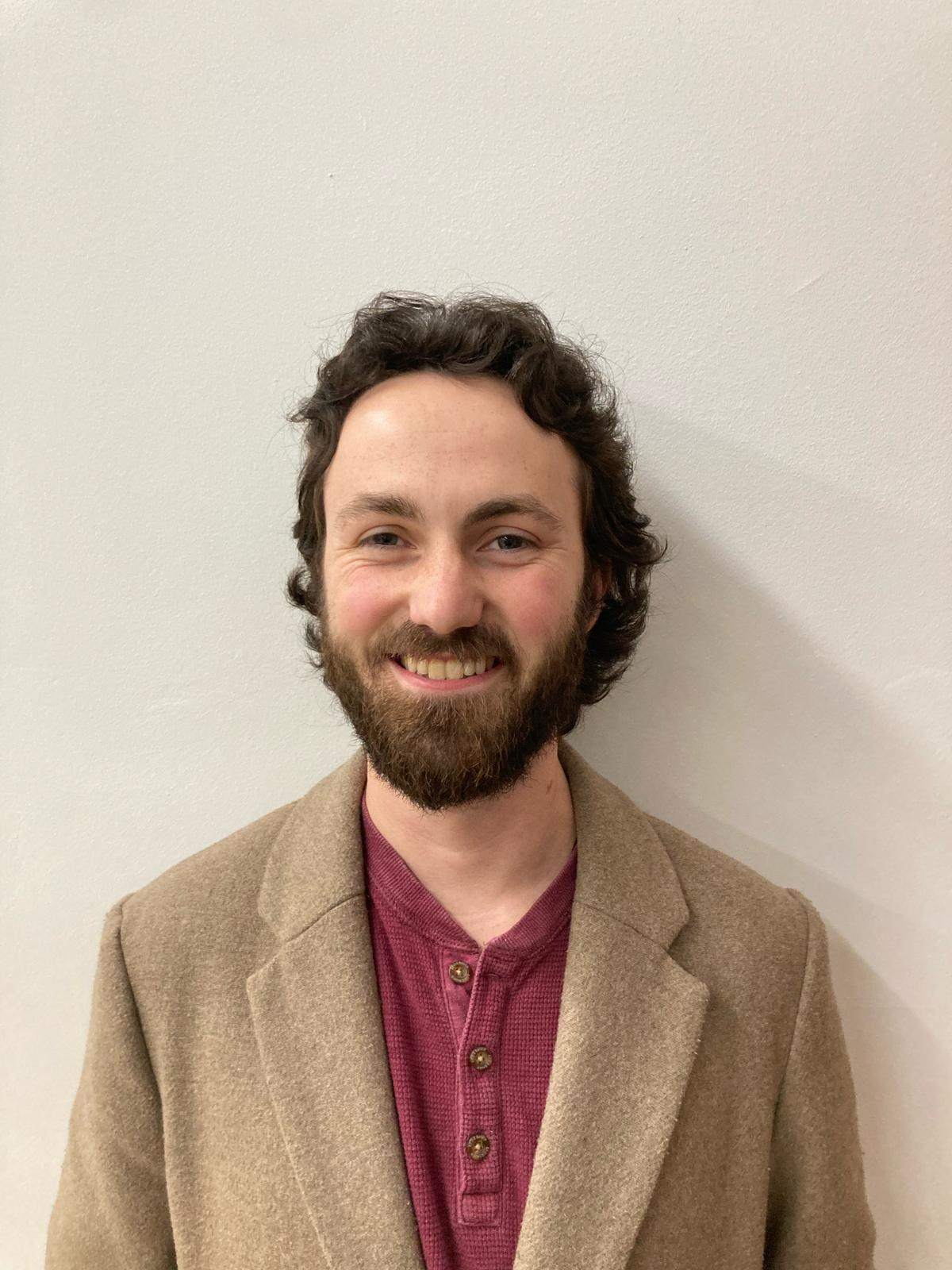
I am spending my year of service with the Benedictine Volunteer Corps on the mountain of Montserrat in the Catalonian region of Spain. The mountain is a major landmark for the people living here, not only because you can see it from just about anywhere in the province of Barcelona, but also because of what it represents to the Catalan people. It stands as a symbol of the perseverance of Catalonia’s culture. Now a part of Spain, Catalonia lost its autonomy in 1938 after the Spanish Civil War. Montserrat remains a beacon of hope and resilience for a people proud of their history and traditions. It is home to La Moreneta, also known as the Black Madonna, a depiction of the Virgin Mary with the child Jesus, cared for by the monastic community of the Santa Maria de Montserrat Abbey.
The mountain is also famous for the Escolania de Montserrat, a boarding school for boys ages 8 to 13 with exceptional musical talent, who make up an internationally recognized choir. The boys frequently tour during the school year, with most of their performances being regional and at least one taking place in another country. Two years ago, they traveled to Minnesota and sang at St. John’s.
These boys live an incredibly unique life. To start, they attend a boarding school for about five years. Not only is it a boarding school, but it is also located atop a massive mountain that attracts two million tourists every year. In addition to the breathtaking scenery and ever-changing crowd, they eat, breathe and sleep music. Monday through Friday, they are woken up at 7:30 a.m. by classical music playing through the school’s PA system. They spend their mornings in standard academic classes—math, English, science, etc.—and their afternoons singing and practicing the piano along with one other symphonic instrument. They perform in the basilica every weekday at 1:30 p.m. and again at the end of the monastery’s evening prayer.
As a musician, I find it amazing. I know my guitar and harmonica playing is far removed from the classical masterpieces these kids are perfecting, but just being surrounded by it is incredible. I am constantly gaining inspiration from these kids.
One of my favorite parts of my service is the opportunity to introduce these kids to music that was first shown to me when I was their age. Bands like The Beatles, Led Zeppelin and Pink Floyd blew my mind when my dad introduced them to me as a child, and it brings me a lot of joy to play a song or two by these bands for kids who spend every day with Schubert and Bach.
However, I’m not responsible for teaching these kids anything about music. My main responsibility, along with the two other volunteers, is to help the boys practice their English. We don’t create lesson plans to cover syntax or grammar; instead, we talk to them about FC Barcelona, video games, food, Marvel movies and other things they would normally discuss—only in English with us, rather than in Catalan with each other. From 1 p.m. to 10 p.m., we are with the boys, talking, joking and trading stories.
We do work around these conversations. We serve them their meals, occasionally join them on mountain hikes when the gym teacher needs more adults and accompany the choir as chaperones when they travel to perform. But the entire time, we are speaking with them in English, helping them improve.
The six months I’ve spent here so far have been incredible. The relationships I’ve developed with the students, teachers, monks and other employees prove to be rewarding every day. I am constantly learning about myself through the people I interact with, both daily and occasionally. This has been one of the most challenging things I’ve ever done, yet it continues to be one of the most rewarding.
In Catalan, there is a phrase: a poc a poc, which means “little by little.” That’s how I’ve been taking in this experience that the Benedictine Volunteer Corps has afforded me, and how I will continue to do so until I take the train down the mountain for the last time.