Libraries monitor potential budget impacts
An executive order from President Trump seeks to close the Institute of Museum and Library Services (IMLS). This action and other state funding issues could potentially impact CSB+SJU's library services and budget.
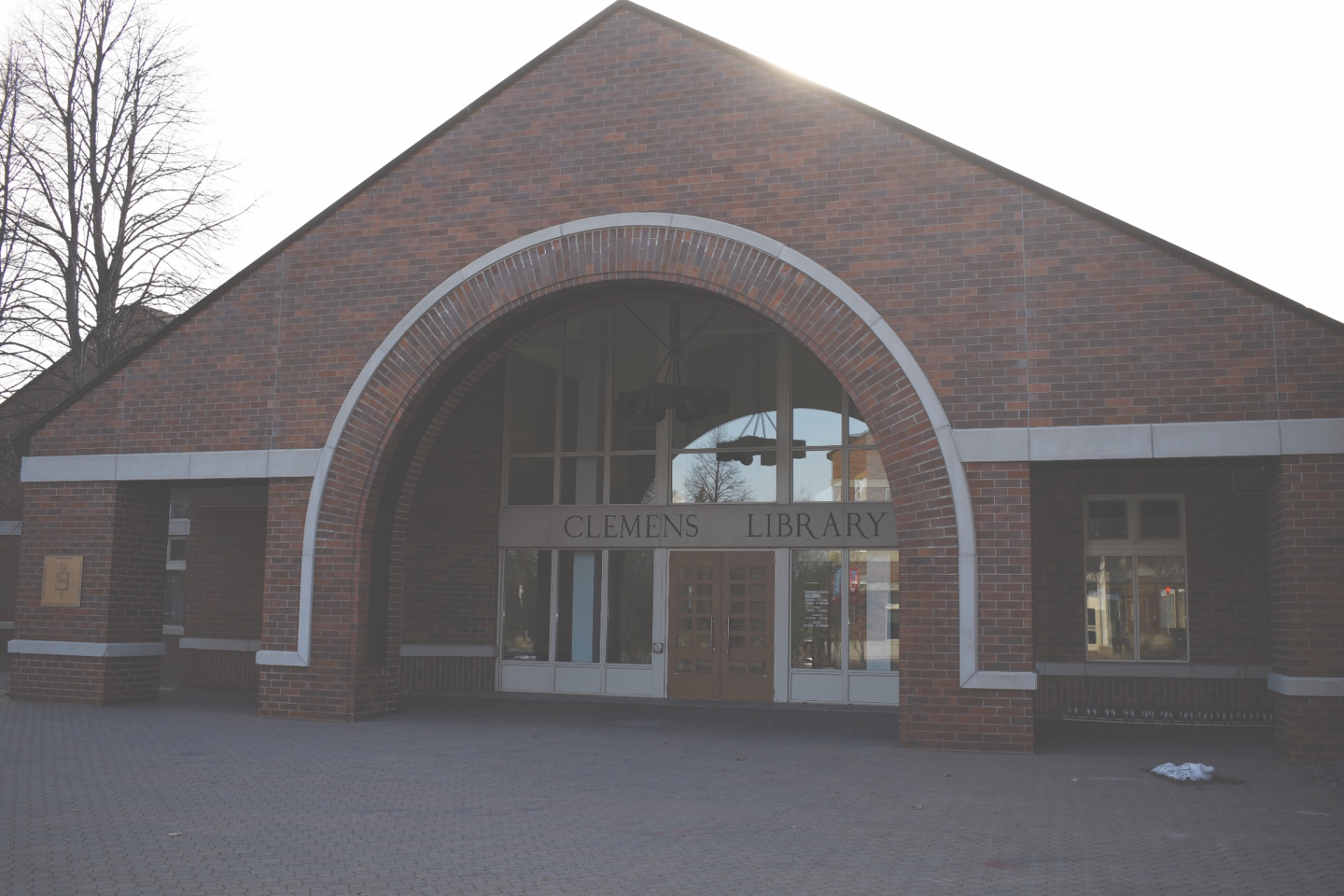
Budget cuts originating from the Department of Government Efficiency (DOGE) have permeated national news since January. Now, CSB+SJU library staff are preparing for the effects of federal and state budget issues on campus library services.
On March 14, President Trump issued an executive order to reduce the budget of, or completely abolish several federal agencies, including the Institute of Museum and Library Services (IMLS).
The IMLS was established in 1996 and is a large source of financial support for libraries and museums across the country. According to Politico, the IMLS employs 75 people, all recently put on mandatory administrative leave due to the executive order, and distributes around $160 million in grants each year. Their annual budget is around $290 million, which makes up less than 0.01% of the entire federal budget.
CSB+SJU’s libraries participate in a national Inter-Library Loan (ILL) system, sending and receiving hundreds of physical and digital materials to libraries across the country every week. ILL services allow users to request items that their local library does not own. Minitex is the Minnesota Library Association that CSB+SJU belongs to, which facilitates the bulk of state-wide loans through a courier service that can deliver items within a day, and it currently faces significant loss of funds if the IMLS is shuttered.
CSB+SJU Library Director Gretchen Trkay said that Minitex receives $1.15 million from the IMLS to sustain their operations. She said the library staff has been closely monitoring the potential impact on Minitex in the past few weeks because of the critical services it offers CSB+SJU and the rest of the state.
“It’s all really up in the air; nobody really knows how it’s going to pan out yet,” Trkay said. “Our hope is to just do some really good advocacy for why those [IMLS] funds are important. The hope, then, is, if it closes, the state will make up for the $1.15 million that goes into Minitex.”
Multiple student workers staff the ILL departments at both libraries, and Trkay said that as far as she is aware, these employment positions are not at risk and regular ILL operations at CSB+SJU will continue. She said that if Minitex must change their operations due to the IMLS closure, ILL will need to find ways to compensate for the potential end of the courier service.
However, Trkay said lack of budget increases on the state level also poses an issue.
Minitex offers library assistance in the form of grants and, though inflation has continued to rise in the last decade, the Minnesota state budget that Minitex uses for their grants has not expanded to compensate. Trkay said this is the most immediate impact on CSB+SJU, as these budget constraints on the state level have resulted in the loss of a $20,000 stipend that the libraries use to fund a large multidisciplinary database, Science Direct. She said that the libraries will receive the money through next year, but for the 2027 fiscal year the stipend will no longer be available.
“The only thing we concretely know right now is that we are not going have that $20,000,” Trkay said. “We can figure out ways to compensate for that, but if it’s that plus other [losses], that’s when it really will become challenging.”
Trkay said that because of this loss, the CSB+SJU Libraries will need to re-evaluate their budget like they do every year, while considering the lost stipend, inflationary pressures and the situation on a federal level. She said this adjustment will come in the form of examining resource usage so they can make informed decisions about what to remove if certain paid items are not currently needed by students and faculty.
“All the databases and anything that’s not a physical book that sits on the shelf is typically licensed, and the inflationary rate on that every year is anywhere between three and seven percent. When we have a flat budget, it costs us more to purchase the same thing every year, so we have to persistently adjust what we’re doing in order to be able to keep access of the materials we need,” Trkay said. “We’re having conversations with faculty about…what students need to have access to in order to be successful, and what faculty and students need for their own original research…an important piece of that is ILL, so that’s why the executive order and Minitex situation makes us a little nervous.”
Other cuts originating from DOGE have had more immediate effects on CSB+SJU.
The Trump administration has canceled grants from the National Endowment for the Humanities (NEH), which supports museums, historic sites and more with financial assistance in all 50 states. CSB+SJU Director of Public Relations and Marketing Michael Hemmesch confirmed that two grants were canceled for CSB+SJU: the Spotlight in Humanities grant at SJU totaling $59,936 and the Humanities Collections and Reference Resources grant for $58,640 at CSB.
Trkay said that for CSB+SJU in particular, federal funds aren’t necessary for typical operations, but they do allow campus organizations to expand their capabilities and test new research or materials.
“Higher education is really reliant on federal dollars to do innovative work. At CSB+SJU, a majority of our day-to-day operations budget comes from the university. It’s all of that external funding that makes it so we can experiment and try new things that benefit our students and our faculty,” Trkay said. “When those things go away, whether it’s libraries or the NEH, it means that kind of work that makes our lives richer is harder to accomplish.”
Trkay said that public libraries are likely to be hit the hardest by the closure of the IMLS, and she believes advocacy is important to help sustain the work that libraries do in creating an informed electorate.
“We live in an environment where it’s really hard to trust the things that we hear. The ability to access information to help to see the full growth of how something is being discussed and researched…so that we create informed opinions that then inform how we vote — it is hugely important,” Trkay said. “Libraries are such an important piece of that.”
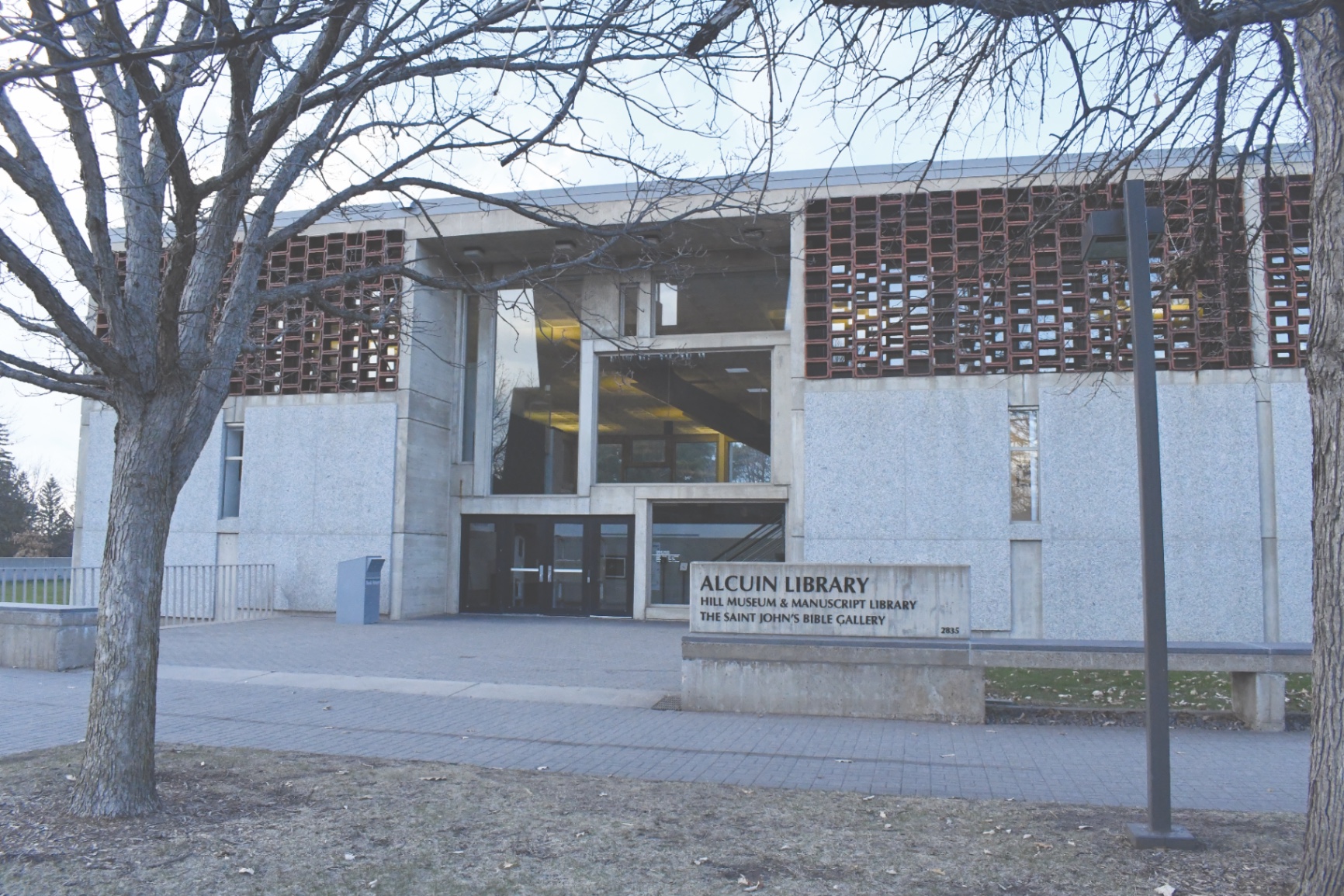
Alcuin Library student worker and SJU senior Ryan Conzemius said that he believes funding issues in any capacity are detrimental to the work campus libraries can do.
“As a student who works in the library, I am intimately aware of how much research and materials are received and used through ILL,” Conzemius said. “I think the libraries are incredibly underrated in terms of how useful they are for students, and losing money just in general is so unfortunate because it means we might have to take it from somewhere else.”
The recent efforts to defund the IMLS have resulted in a lawsuit filed on April 8 by the American Library Association (ALA) and the American Federation of State, County and Municipal Employees. They argue that DOGE had no lawful right to dismantle a federal agency created by Congress, though the White House said that they are simply funneling the money directly to the states.
As the Trump administration continues to make cuts to federal funding and a lack of state budget adjustments continues, Trkay urges students to be active and informed in the coming months. She said that many of the projected effects from the DOGE cuts are still up in the air, which is in part dependent on the outcome of the ALA’s lawsuit. In the meantime, she asks students to use their voices to advocate for library services on campus, in Minnesota and throughout the country.
“The best advice, and this is the conversation we’re having within the Minnesota Library Association, is to contact your legislators. And talking to them, calling them versus emailing, is more powerful,” Trkay said. “Speak directly about how it impacts students and why they should care about it.”