
Ryan Gosling’s performance in “Lars and the Real Girl” prioritizes empathy
What would you do if your socially awkward brother announced that he was finally bringing a girl home, only for it to be a life-size
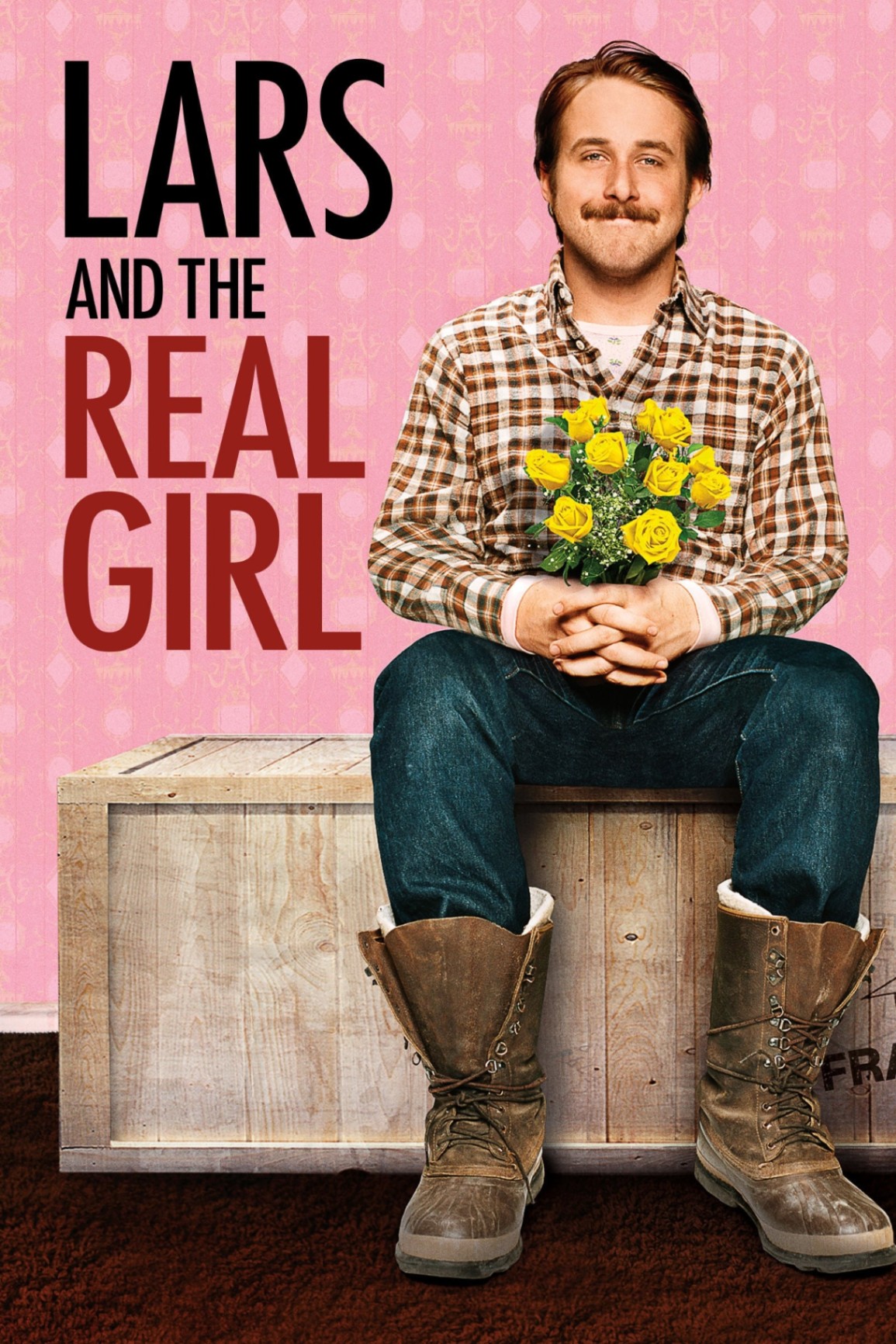
What would you do if your socially awkward brother announced that he was finally bringing a girl home, only for it to be a life-size female doll that he thinks is real?
This is the concept of “Lars and the Real Girl.” Uninterested in close relationships and repulsed by the idea of others touching him, Lars (Ryan Gosling) lives a life of relative solidarity. That is, until Bianca: his romantic counterpart who comes to greet him in a large box, much to the horror and shock of his brother Gus (Paul Schneider) and sister-in-law Karin (Emily Mortimer). When Gus and Karin take Lars to their local psychologist, Dr. Dagmar Berman (Patricia Clarkson), she tells them that Lars has created a psychological delusion, and it’s safest if everyone goes along with it. Soon, the whole town is greeting Bianca with the friendliness of a well-meaning neighbor…even the reverend.
“Lars and the Real Girl” is one of Gosling’s lesser-known movies, and that’s probably due to the synopsis. Having read the description myself before watching, I was afraid that the movie might divulge into something extremely uncomfortable. Yet, Lars’ behavior towards Bianca is similar to how a child might treat one of their treasured toys. It could be hypothesized that Bianca represents what psychologists refer to as a ‘transitional object’: a child’s prized possession they must have with them at all times, which pushes them towards the realization that the world and other people are not ‘theirs’ but, in fact, separate from them. If successful, the child will become independent and learn to seek relationships with others instead of expecting them.
Thinking of a grown man using a life-size doll to enact this is a strange idea—there’s no denying that. What makes “Lars and the Real Girl” worth watching, then, is the town’s desire to help Lars with surprising acceptance. Lars’ entire community is willing to endure his delusion because they care for him. They want him to see that, past the imaginary persona he’s enacted onto an object, there really are people who think he’s worth loving and will be his friend.
Directed by Craig Gillespie, “Lars and the Real Girl” has a style very unlike one of its successors (and one of my favorite movies), “I, Tonya.” It’s more plain in tone, accompanied by David Torn’s instrumental soundtrack. I found this to really work for the subject matter, along with Lars’ nondescript town. Where does this take place? Does it matter?
As for the acting, Gosling, who is widely known as a ‘heartthrob’ (or, at least he was after “The Notebook” came out) is as unsuspecting and as undesirable in this role as anyone would think Lars to be. His eyes follow a mannerism, squinting shut and open again; and he almost always looks nervous or wounded. If done wrong, Lars is a character that the audience is creeped out by. But Gosling’s Lars is harmless and therefore sympathetic.
Clarkson also nails her role as Dr. Dagmar. During Bianca’s “treatment sessions,” which Dagmar really uses to learn more about Lars, her charming indifference allows him to open up. Her portrayal isn’t only positive; it’s personal.
As I near the end of this review, I have to get something off my chest: I really dislike rating movies. I know I’m supposed to, so readers might decide whether they’re worth seeing or not. But I have an incredibly hard time doing it. Even a movie such as this one, which occasionally lost my attention, should not lose “points” just because I have an extremely low attention span. I always try to think of the movie’s screenwriter (in this case, Nancy Oliver) who put so much work into writing each frame as intentionally as possible. And how, when I give it a rating based on what I was paying attention to, or what spoke to me, I’m unfairly ‘denying’ what someone else appreciated. I don’t like to think I might’ve missed something, because I almost always miss something.
It’s so hard to objectively appreciate a movie’s traits— style, cinematography, dialogue, soundtrack, acting—while also considering my subjective experience. I don’t “like” all the movies that I rate high. Sometimes I’m really captivated by a movie that I would rate low. I don’t want to mix the elements of my personal likability to the wider scope of universal likability. So I’m not going to rank “Lars and the Real Girl.” I’m just going to say that you should see it.