
Koi fish take to power plant to avoid the cold
Students, faculty and monastics alike appreciate the vibrant colors and tranquility of CSB’s koi pond; however, few people know where the beloved fish go when
Students, faculty and monastics alike appreciate the vibrant colors and tranquility of CSB’s koi pond; however, few people know where the beloved fish go when the temperatures drop and the groundskeepers drain the pond.
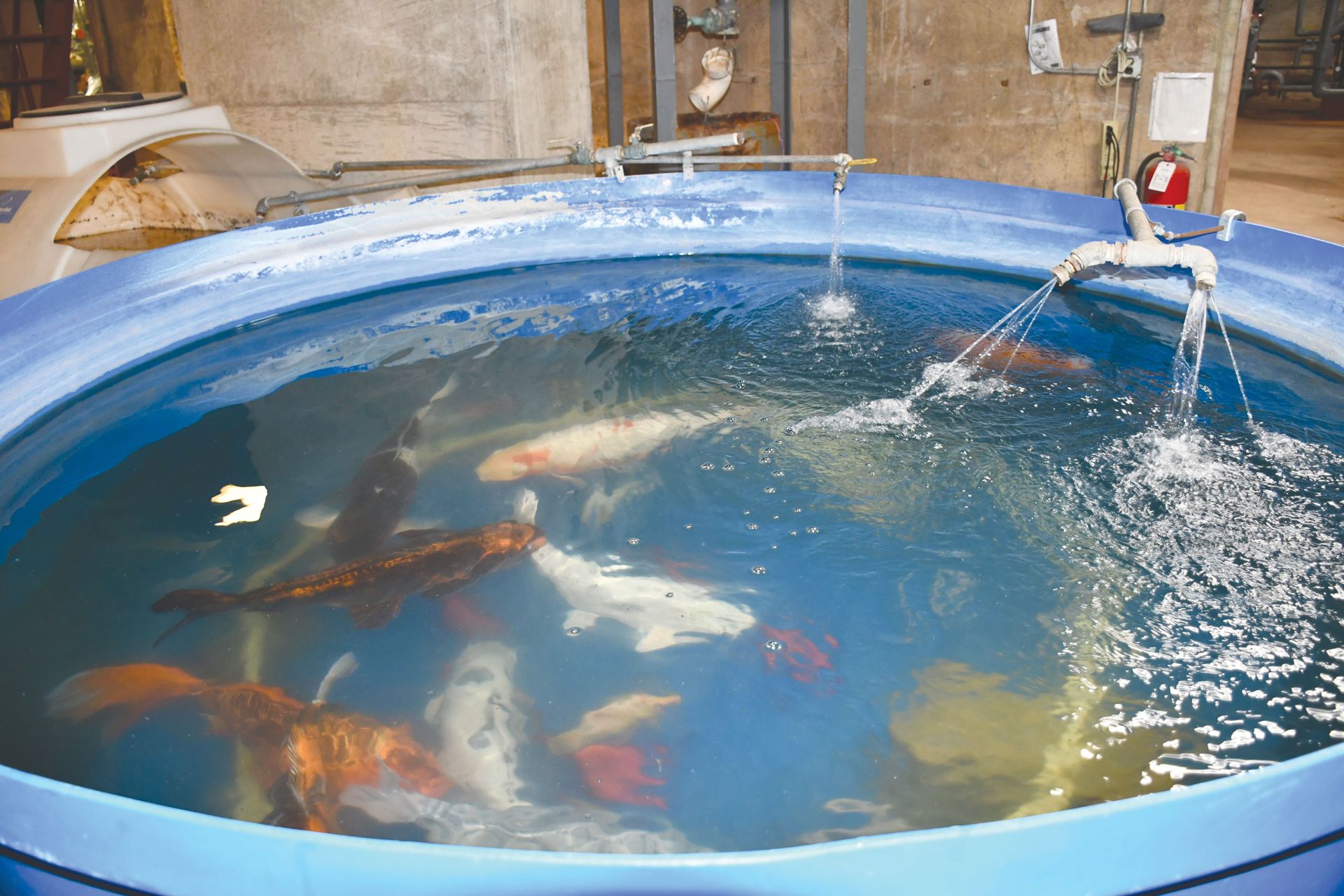
Students have theories about the winter home of their aquatic friends, ideas ranging from keeping the fish somewhere in the monastery to relocating them somewhere off-campus. In reality, however, the koi make the short journey to the basement of the CSB Power Plant where they are fed and safe from Minnesota’s often sub-zero temperatures.
Briana Wentland, CSB’s facilities director, emphasized that the koi are very well taken care of —both in the pond and in their indoor tanks.
“Though the koi can survive relatively low temperatures, there are a variety of other factors that impact their health,” Wentland said. “It is important to maintain good water quality because it can reduce the likelihood of illness in the fish.”
Wentland, a CSB employee since 2011, credits CSB groundskeeper Tref Richert with creating and installing a special filtration system for the pond. Implemented within the last year, the system ensures the fish have a healthy environment to call home, reducing the presence of particles in the water that are potentially damaging to the koi. Additionally, irrigation lines feed fresh water into the system.
While cleaning the pond, the groundskeepers have found everything from coins to pet goldfish— each of which is detrimental to the fish’s environment. To protect some of the smallest members of the CSB community, Wentland suggests admiring the pond without introducing miscellaneous objects to their home.
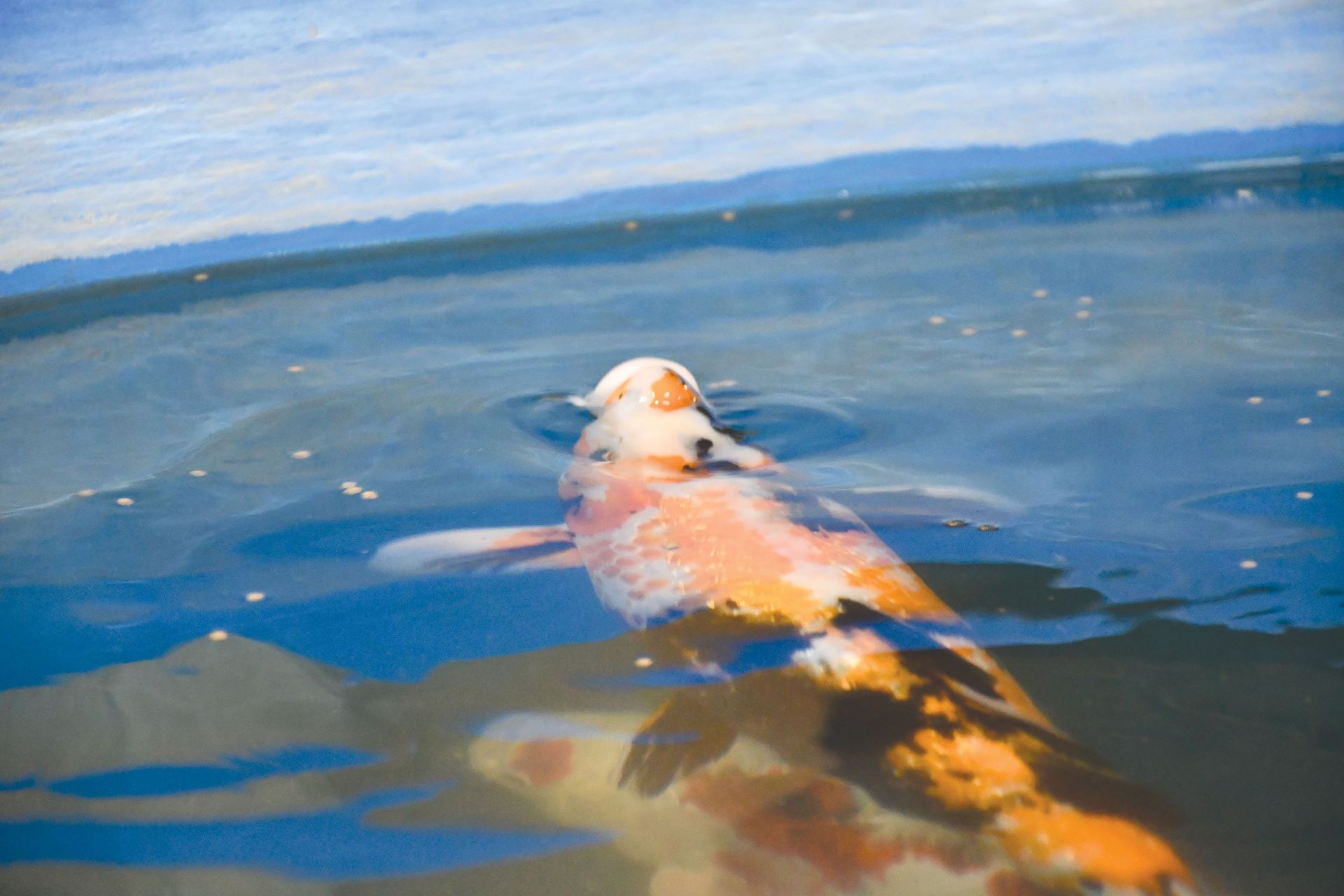
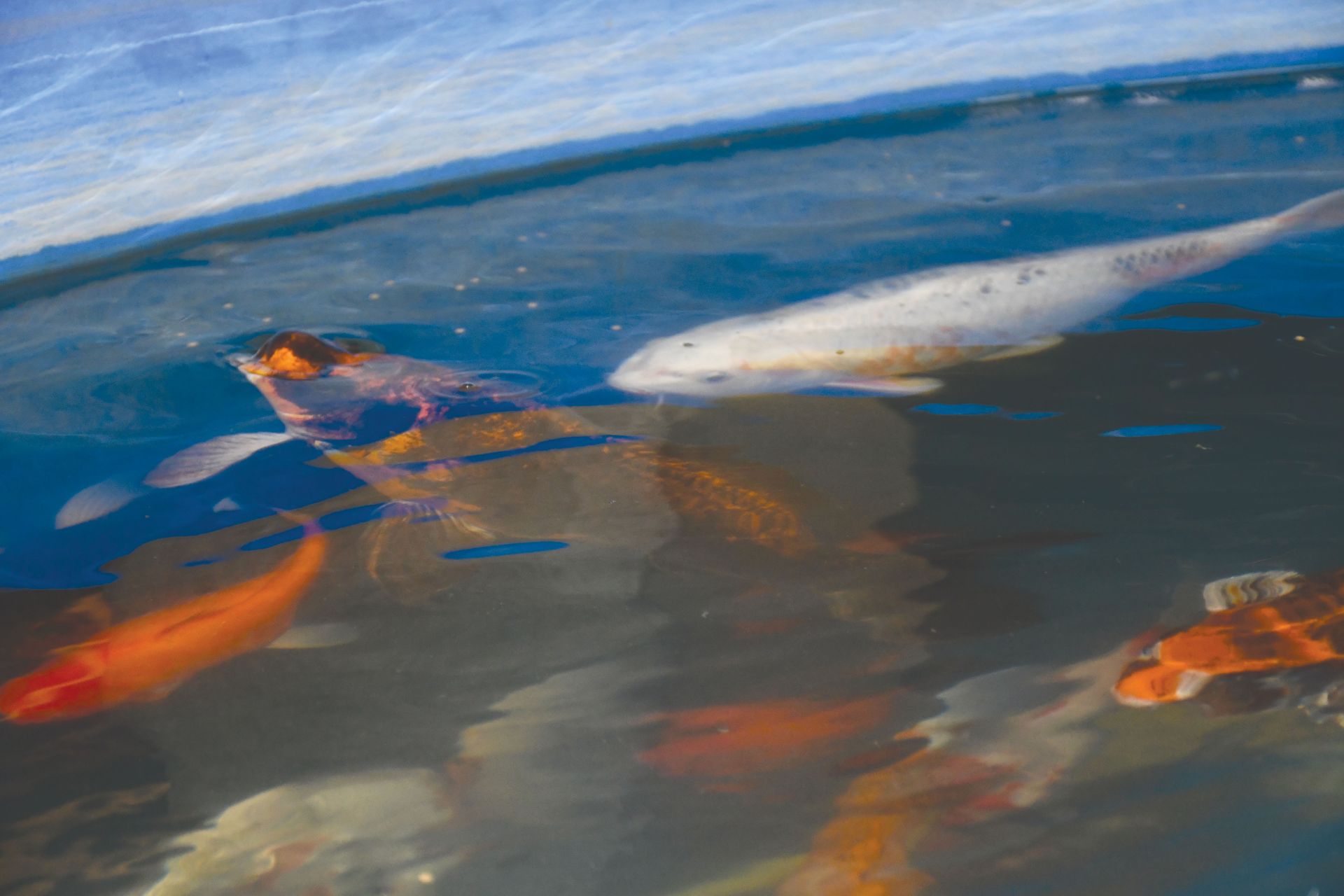
After their pilgrimage to the Power Plant, the fish are kept in tanks and separated by size. Staff regularly feed and monitor the fish, as well as the temperature of the water and overall livelihood of the koi. Despite their ability to survive in a variety of different climates, it is recommended to keep their water temperature at or around 68 degrees to support body processes. If the water temperature drops too low, the fish stop eating, and their bodies begin to shut down.
What happens to the fish if there is a power outage in the middle of the night or if their water gets too cold? Wentland remarked that the team can address any issue potentially threatening the fish’s health quickly.
“We are required to have a boiler operator on staff 24/7 in case of emergencies,” Wentland said. “They are actually the ones who take care of the fish and are able to easily check on them and make sure they are okay.”
Come spring, Wentland is in regular contact with the groundskeepers regarding an appropriate time to refill the pond and return the fish. In past years, the koi returned outdoors after the end of the semester due to prolonged low temperatures. To prevent shocking the fish’s bodies, the pond is filled prior to their return to allow water temperatures to regulate. Further, the koi are returned to the water in batches to see how well they acclimate.
Taking care of the campus fish is a collective and well-established tradition, as the pond was created in 1926 — just 13 years after the sisters founded the college in 1913. Wentland believes the tradition surrounding the fish, whether their return in the spring or their prominent placement between the Main building and Mary Commons, is representative of the community fostered at CSB.
“The fish are an important symbol of our community,” Wentland said. “It reminds me of a form of art or different structures around campus that we appreciate. It brings together students, professors, sisters and the people of St. Joe and reminds them of our campus traditions.”