
From Greece to England: a crucial history of drag from plays to the personal
As my senior year is filling up with preparing to graduate, this gives me some time to reflect on my time as the fashion column
As my senior year is filling up with preparing to graduate, this gives me some time to reflect on my time as the fashion column for the past four years. Mainly I want to see what I have not explored in the wide world of fashion, which yes, is still a lot. Recently I have been dipping in the water of exploring history and fashion, combining some of my favorite things. This leads me to the topic for this week: drag’s impact on fashion.
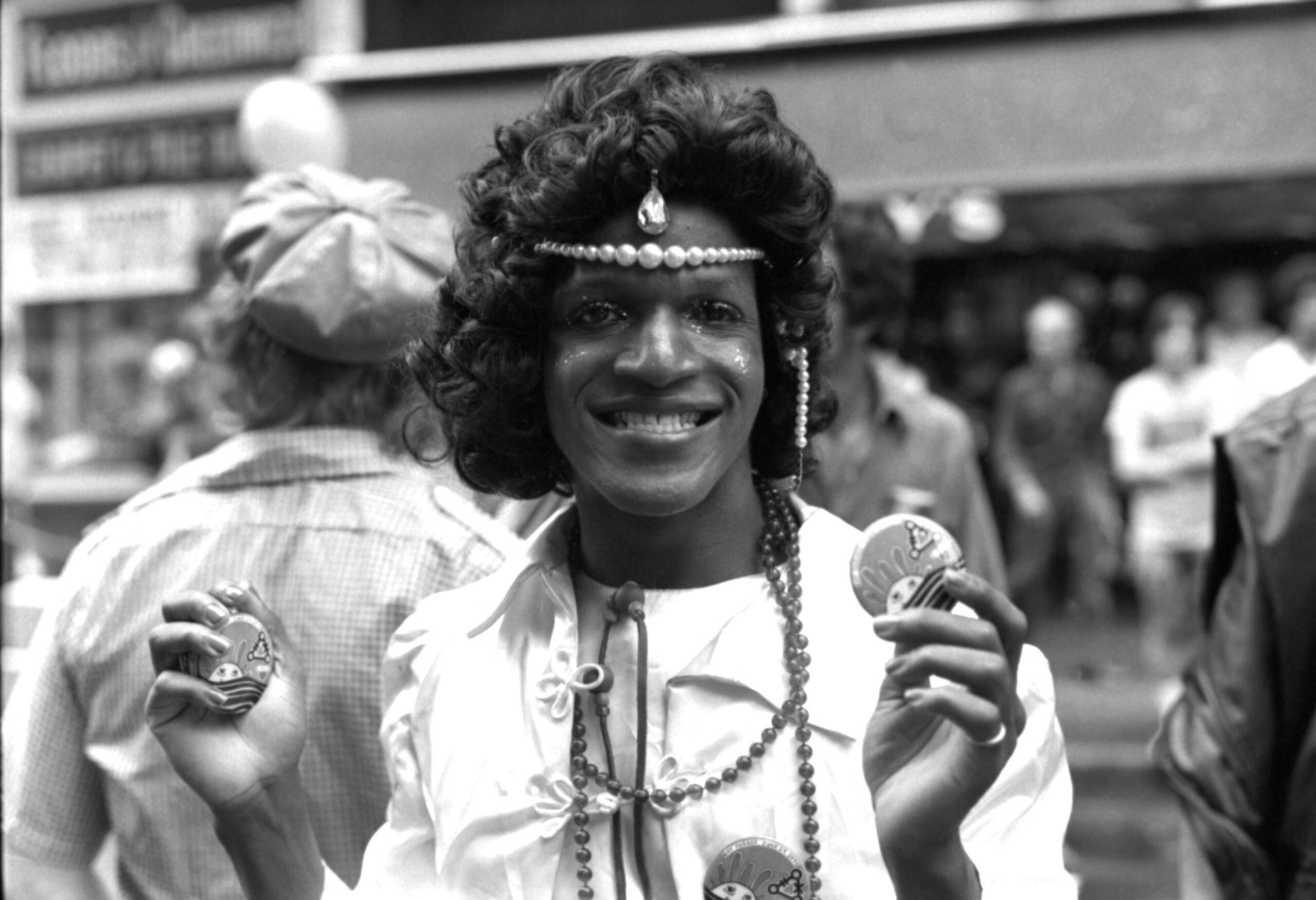
To quickly break down what drag is for those who might not be familiar with the term, this is from the Human Rights Campaign website: “Drag is a performance art that uses costumes, makeup, and other tools to present exaggerated forms of gender expression to critique gender inequalities and imagine a transformational future where people are truly free in how they express themselves.” One last thing before jumping in: no, this is not meant to be political or starting an argument; rather, it is an examination of an art form having an impact on modern fashion and art. Historically speaking, drag has been around for a while, from Greece and Rome to the Elizabethan Era England. Since women were not allowed to be actors, this led to men performing in those roles instead. The United States has its own host of drag history, notably Marsha P. Johnson, who often performed with the drag group “Hot Peaches,” as Emma Rothberg covers in her article about Marsha P. Johnson. Marsha P. Johnson is also one of the larger figureheads for the Stonewall Riots that took place in New York, which can be seen as one of my major turning points for LGBTQIA+ rights.
Now there is that background information laid, we can jump into the impact on fashion. One of the key parts of drag is self-expression; it allows people to confront these gender norms and break out of these strict gender binaries. The whole point of fashion, at least to me, is to be comfortable with yourself rather than conform to trends. It encourages creativity and allows others to express themselves how they wish. Slowly, drag is moving into a much more mainstream area, which I do think is good. It is allowing people to express themselves and be more comfortable in their skin. Take Chappell Roan — she heavily draws her aesthetic from drag queens and camp. Of course you have RuPaul and a number of competition shows out there to highlight this as well. There are local events such as drag brunch in the Twin Cities, and finally one niche reference is Dungeons and Drag Queens, a Dungeons and Dragons-based show with drag queens learning how to play the game. I highly recommend personally. Regardless of how you feel about the topic of drag, it is an art form that has been used throughout history and even now in the fashion world around us. This is where I leave you.