
Clothing as power: the significance of everyday wear
As the season for seniors approaches, whether entering thesis season or brainstorming for the upcoming semester, I am often reminded of the reason why I
As the season for seniors approaches, whether entering thesis season or brainstorming for the upcoming semester, I am often reminded of the reason why I got into history in the first place, which was strangely through fashion. Fashion, a reflection of the time and trends that surrounds us, holds a significant historical context. In today’s era of social media, trends are constantly circulating. But why is this historical context important?
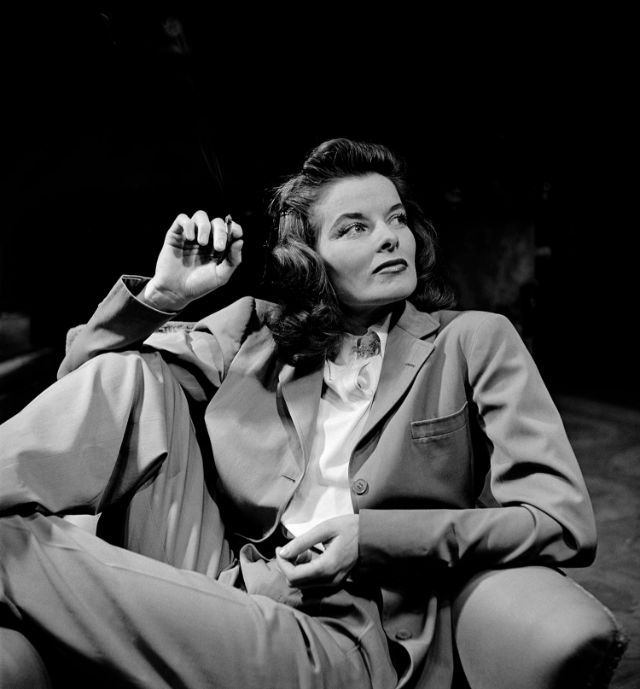
It provides us with insights into the prevailing conditions, trends and beauty standards of a particular time period. An easy starting point and the reason I got into history is that the colors black and dark grey circulated in Victorian London due to coal pollution. The dark colors meant coal pollution wouldn’t show up on clothes, making public appearances easier. It was also a cheaper dye to make, meaning the clothes wouldn’t be sold for too much. It was also the same era as the rise of the corset. A corset was meant to create the ideal figure for women of the time. The waist needed to be as small as possible, showcasing a dangerous trend that appealed to the societal gaze. Not long after gender norms changed in fashion, setting the pants trend in Hollywood. Katherine Hepburn’s high-waisted, wide pants sent a statement that, in turn, shifted the tide for many women and feminine people for decades to come, setting a precedent for going against the trends and breaking out in the fashion world. Another form of rebellion that is now quite a staple part of American culture is denim jeans. Invented by Jacob Davis and Levi Strauss, the original idea was for workwear, but as we know now, this has clearly evolved since 1873. I would also argue that denim holds “soft power,” showing our ideals and finding our cultural impact in countries outside the states. The history of trends then bleeds into what we are seeing with our own trends.
There is a sense of self expression that is a commonality among growing trends: finding how you can express yourself. There is also this growing trend that seems to be slipping into two. I am always aware of body trends; while we are focusing on embracing ourselves, we have celebrities to turn to for these trends. It can range from hair down to the size Hollywood seems to focus on.
I personally watch this because I know what to expect from the fast fashion trends and advertisements. Trends can bring body types down in a heartbeat in a published piece, ending the confidence of some.
Trends in the media are often not achievable for everyone, which I always keep in mind when watching the shift in trends.