
Blue Jeans and bold statements: a history of social revolutions in clothing
My love of history and fashion has reached another blend. The usage of fashion in protests is not shocking since there is often a crossover.
My love of history and fashion has reached another blend. The usage of fashion in protests is not shocking since there is often a crossover. Fashion is often used to express and explain a story, and sometimes, that story can be used to convey sociopolitical movements.
We will start with an easy look at our American Revolution color and its main usage. The British wore red coats. Therefore, it was easy for the colonists to adopt blue and confidently label the British as lobsters. But fashion has evolved beyond just looking at the red and blue coat colors.
In “A Brief History of Protest Fashion,” Scarlett Newman outlines different fashion movements that were linked with social and political movements. During the civil rights movement, protesters were encouraged to wear a “Sunday best” to showcase equality and humanity and prove those who opposed freedom and equal rights for Black Americans wrong in their stereotypes. This is coupled with the Black Panther movement, which is highly remembered for its berets and leather jackets to showcase unity, protection, power, courage and valor.
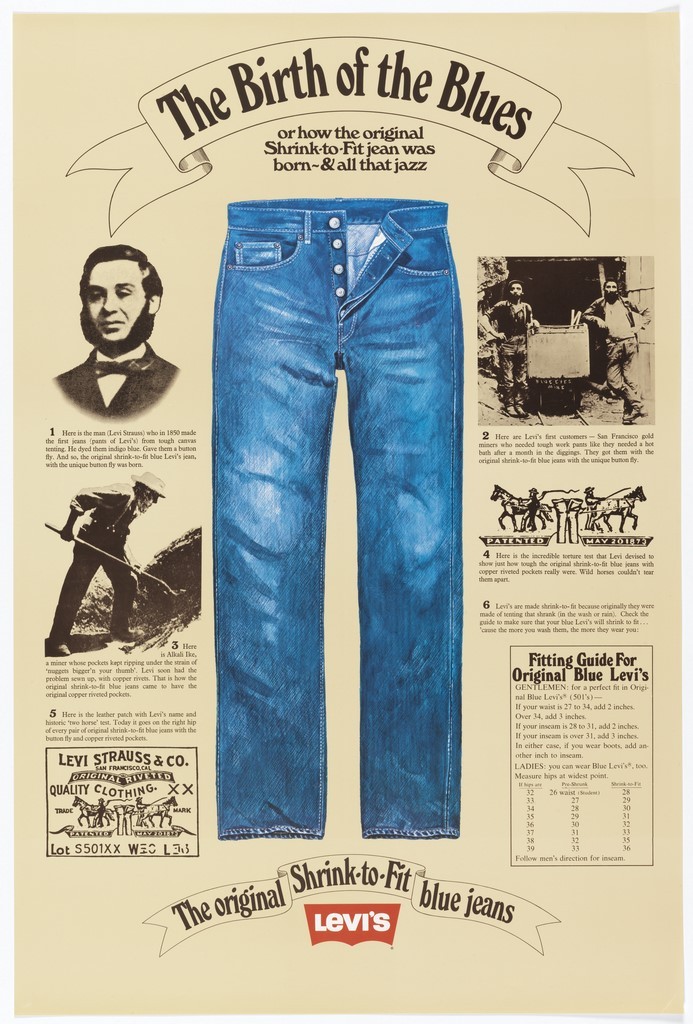
Denim always seems to find a way to protest, especially for younger activists like women and men in the Student Nonviolent Coordinating Committee. As Newman pointed out, denim was there to make a bold statement that any class deserves to be respected in politics, to be heard and not silenced.
A few of the feminist movements also took on this idea of wearing white from the Suffrage Movement in the 1908 rally in London’s Hyde Park, as pointed out by Laura Pitcher in her article, “The History of the Color White and Women’s Suffragette Movement.” It was to draw attention and stand as one movement. White clothing also showed up the best in black-and-white photos. The Women’s Suffrage Movement did not just use the color white. Black suffragists also used it. Often now, we see the international choice for politicians across the globe and a reminder echoing that pushing toward equality is not done.
Fashion contains many rabbit holes to fall into. One can lead you toward a better environment, and others will lead you down a history of powerful movements using clothing to create a community that looks out for each other.
Clothing will be a symbol that can remind one that they aren’t alone in an ongoing battle to gain equal rights in the world around them.