“Disagreeing better” promotes harmful rhetoric
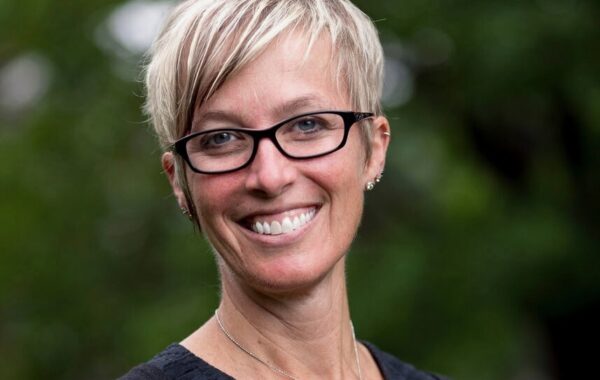
This is the opinion of Samantha Clayman, CSB senior
Ever since the election closed, I have been hearing rhetoric from professors and other members of the community that we should all respect each other’s opinions and recognize that we’re all human.
In fact, this whole school year has been about “disagreeing better,” which I’m sure is not coincidental timing.
However, the disagreeing better rhetoric is not the benevolent program this school thinks it is; it actively harms the minorities and marginalized identities in our communities.
It’s easy for people in privileged positions to sit back and say to respect others when it’s not their human rights that are on the line.
However, the disagreeing better campaign is really just a way to cushion pushback against hateful political views. The reality is, the way some people voted inherently means they do not respect minorities or view them as humans deserving of their full rights, and I do not owe them anything.
I do not need to disagree “better” with people who cast votes that will put my life and the lives of my friends at risk.
It’s no secret this school is based on conservative values—they made that clear when they refused to allow a pro-choice club on campus because “it went against the school’s values.”
The disagreeing better rhetoric is a way to uphold these values by painting anyone who opposes them as the bad person, the one who didn’t show empathy or compassion.
This normalizes allowing others to voice harmful views with seemingly no pushback.
The morning after the election, one of my professors stated that “politics are just one aspect of someone’s identity,” presumably to calm any vehement emotions.
While my professor had good intentions, this reductive thinking gets us nowhere.
People’s political views affect all their beliefs and actions, and the effects reverberate throughout our communities.
Voting against the rights of minorities is not just “one aspect of you”—it says a whole lot about how you treat the various groups in your community.
While I understand the concept of encouraging civil discussion, the aftermath of such a dangerous election result is not the right time or place for it.
It’s time we stop holding back out of fear of stirring up drama and stand up for the rights of all.