Being proactive about suicide prevention
This is the opinion of Jayden Forniel, SJU Junior
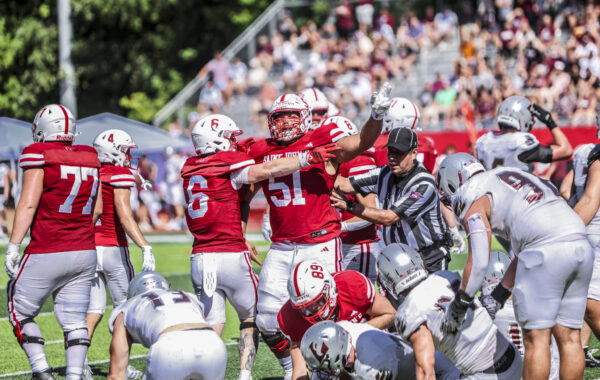
I play for the St. John’s rugby team. In games, I have been tackled by players nearly twice my size, driven into the ground and expected to stand back up before the next phase begins. Rugby has taught me what visible pain looks like. But the pain that has tested me most has left no bruises: my battle with suicidal ideation.
I grew up in Newark, N.J., around the realities of gang violence. I spent years of my childhood with a parent who was incarcerated, and I have experienced the grief of losing loved ones to substance abuse. These experiences taught me how to survive, but survival does not mean escaping without wounds. Some wounds remain hidden long after the immediate danger has passed.
Many of my peers see me as a high performer. I am highly involved on campus, serve as a captain of the rugby team and try to be someone others can turn to when they need help. From the outside, I may appear confident, resilient and headed toward a promising future.
Those things can all be true while I am fighting battles that other people cannot see.
That is why National Suicide Prevention Month must be more than another graphic reposted on social media. According to the World Health Organization’s latest global estimates, suicide was the third-leading cause of death among people ages 15 to 29 in 2021. That age group includes many of us on campus. Behind that statistic are students sitting beside us in class, athletes sharing our locker rooms, student leaders organizing events and friends laughing with us at lunch.
Suicide does not always have the face we expect. Someone can earn good grades, accept leadership positions and encourage everyone around them while struggling to believe their own life is worth living. Sometimes the person who appears to have everything figured out has simply become skilled at hiding what hurts.
This does not mean every quiet moment signals a crisis or that students must become therapists for their friends. It means we should pay closer attention. Notice when someone withdraws, repeatedly says they are exhausted or stops doing things that once mattered to them. Check on people who appear strong, not only after they break down, but while they are still carrying everything.
Ask twice. Move beyond “How are you?” and create room for an honest answer. Say, “You haven’t seemed like yourself lately. Do you want to talk?” If you are seriously concerned, ask directly whether they are thinking about suicide. Listen without judging, lecturing or attempting to solve everything. Help them connect with someone trained to provide support.
Suicide prevention must be proactive because waiting for an obvious emergency may mean waiting too long. It cannot be limited to memorial posts, moments of silence and conversations about what we wish we had noticed. Prevention begins earlier. It begins in dorm rooms, classrooms, locker rooms and ordinary conversations between friends.
Strength should not mean suffering silently. In rugby, when a player goes down, his teammates do not debate whether he should be strong enough to get up alone. Someone reaches down. We should show one another that same urgency off the field.
I share my story because someone may recognize themselves in it. If you are struggling, your pain does not make you weak, ungrateful or incapable. You deserve support before reaching a breaking point. You do not have to prove that your situation is “bad enough” to ask for help.
If you believe someone in your life is strong enough not to need you, check on them anyway. I know what it is like to be seen as someone who can handle anything.
Even that person may need someone to reach out.
If you or someone you know is struggling, support is available. CSB+SJU students can contact Counseling at 320-363-3236 or visit Lottie Hall 010 at CSB or Mary Hall 010 at SJU. For immediate crisis support, call or text 988; in an emergency, call 911.