Recognized the damage that censorships can have on future generations
The week of Oct. 4-10 marks Banned Book Week, a celebration of the value of open access to information regardless of the presiding cultural mores.
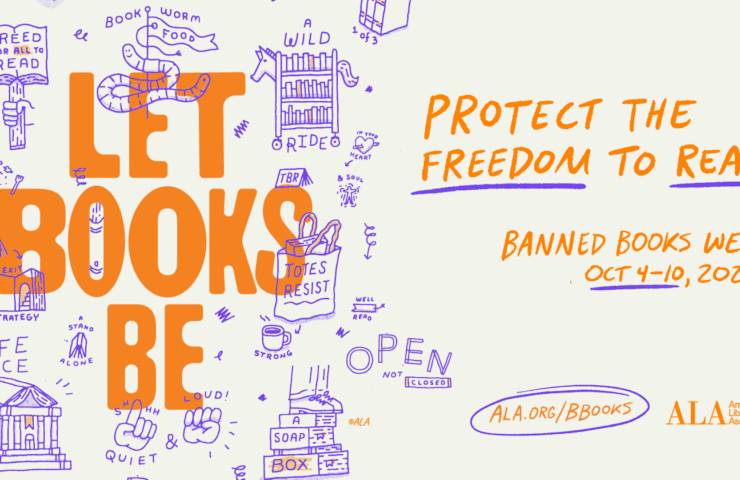
The week of Oct. 4-10 marks Banned Book Week, a celebration of the value of open access to information regardless of the presiding cultural mores. The annual event was founded in 1982 after a large influx of books were challenged in school libraries. This year’s theme is “Let Books Be – Protect the Freedom to Read.”
The mission of the Banned Books Week is to shed light on the literature that is being censored and to ultimately force a removal of restricted access to certain novels. Though the list is ever-growing, a few of the most challenged books of 2025 include “The Perks of Being a Wallflower” by Stephen Chbosky, “Sold” by Patricia McCormick and “A Court of Thorns and Roses” by Sarah J. Maas among others.
The American Library Association (ALA), who owns the copyright to Banned Book Week, said that there are a few reasons books get banned.
“The most common justifications for censorship provided by complainants were false claims of illegal obscenity for minors; inclusion of LGBTQIA+ characters or themes; and covering topics of race, racism, equity, and social justice,” the Banned Books Week website said.
The ALA’s Office for Intellectual Freedom tracks the number of censored titles each year and has noted a substantial increase in the past few years. In 2025, a total of 4,235 unique titles were challenged, which is the second highest number ever documented. Of these, 39% of those titles centered around experiences of LGBTQ+ people and people of color.
Reportedly, 92% of these challenges came from government and school administration and boards, with a meager 8% stemming from individual parent complaints.
The Record Editorial Board vehemently opposes the systemic erasure of diverse representation in literature. The greatest part of reading is its ability to immerse you in a different life experience, and to drastically restrict a reader’s options because of your limited worldview is to do a great disservice to them.
While banning books is marketed as a way to protect your children, it is simply another way to control the narrative. As the statistics showed, only a small percentage of censorship actually stems from parent concerns. More often than not, it originates from politicians and administrations that disagree with the voices that are being uplifted.
As an Editorial Board, we urge you to take a look. Read the books that have been restricted from your local libraries, schools and communities. Seek them out and see what they are all about. Consider if their content is actually harmful, or if it is just rhetoric that is outside of the norm. If you take the time to read, there is a chance that you will find that these stories open the doors to conversations that cultivate a deeper understanding of the world around us.